Turf burn can be an excruciating injury that can derive from skidding or tripping on artificial turf during athletics. It can cause abrasions on the elbow, knee, wrist, palm, and forearm, in addition to the jawline and torso.
When such incisions occur, they need to be cleansed immediately to avoid infection. It is also recommended to apply an antibiotic ointment and a breathable bandage to the incision.
Purify the Wound
When you're on the field and focusing on thwarting a shot or pursuing down a new player to tackle him, the scratchy and abrasive nature of artificial turf isn't always at the forefront of your consciousness. However, when you tumble on the grass, you're subjected to friction that may cause turf burn, an excruciating skin abrasion. Since it removes a layer of skin, a turf burn is more serious than minor wounds and bruises. Untreated, it can become infected and serve as an entrance site for bacteria such as aureus, which can travel to other regions of your body and cause complications such as for example bone or systemic infections.
Dirt, detritus, or sand from the turf can introduce bacteria and cause infection if it enters an exposed laceration after a turf burn. Wash the abrasion with water or perhaps a saline treatment for remove grime and then cleanse it gingerly. If the laceration is seeping, apply firm pressure and cleanse before hemorrhage ceases. Then, delicately wipe the surface dry with a clean towel.
Apply an antibiotic ointment in an excellent layer over the abrasion. how to heal turf burn fast is really a suitable replacement for antibiotic ointment since it functions as a natural antiseptic and accelerates the healing up process. Cover the wound with a clean bandage as a final step. how to treat a turf burn of cleansing, ointment, and bandaging will prevent infection and promote healing.
Utilize Antibiotic Cream
Turf burn can be an injury that occurs when bare skin travels across synthetic turf. The contact causes excruciating red abrasions and can bring about severe health complications such as for example methicillin-resistant Staphylococcus aureus (staph) infections and sepsis. These types of injuries are normal among athletes, notably football and soccer players. These injuries may also occur in other collegiate or professional athletes, such as cheerleaders, who expose their limbs and legs to the chance of slipping on the turf.
Athletes with turf burn should promptly cleanse the affected area with water and a saline solution to remove any grime, grit, or sand which has adhered to the skin. After cleansing the incision, a clean dressing ought to be applied and pressed firmly to prevent hemorrhaging. If the lesion isn't too excruciating to handle, you can prevent infection through the use of antibiotic ointment.
Athletes are more likely to contract skin abrasion-related infections due to increased physical contact and the use of shared equipment. Furthermore, turf burn infected serve as entrance points for pathogens like aureus, which achieve the current presence of soil and bacteria. Due to this fact, it is essential to address the wound immediately and look for early indicators of infection, such as extreme pain or sputum, before the condition worsens.
Apply Aloe Vera
Turf burns are really excruciating and can result in infection. how to treat a turf burn to turf must be treated promptly with a rudimentary first aid kit. Untreated turf burn infection can result in significant complications. Additionally, it is vital to prevent further friction from aggravating the laceration. By applying Body Glide or other products that form a protective layer on the skin, friction will be reduced.
Friction between the body and astroturf, whether from plunging, gliding, or falling, causes turf injuries. This friction can lead to abrasions, which can become exposed lesions. These incisions may then become contaminated with bacteria, which can cause contamination by entering the body. Due to their increased skin abrasions and increased contact with other athletes, the chance of infection is higher for sports participants.
Raspberry-colored sores and tiny levels of hemorrhaging are the most typical symptoms of turf burn. This wound can be extremely excruciating and can probably continue to tingle after treatment. As a turf burn may take weeks to totally recover, it is best to avoid playing on artificial turf before lesion has healed.
It is essential to disinfect the incision, that may be difficult because of the severity of the turf burn. It is essential to disinfect the laceration with a clean and sanitized hand or fabric. After cleansing, additionally it is recommended to rinse the area with ordinary water and wipe it with a clean cloth.
Dress the Wound
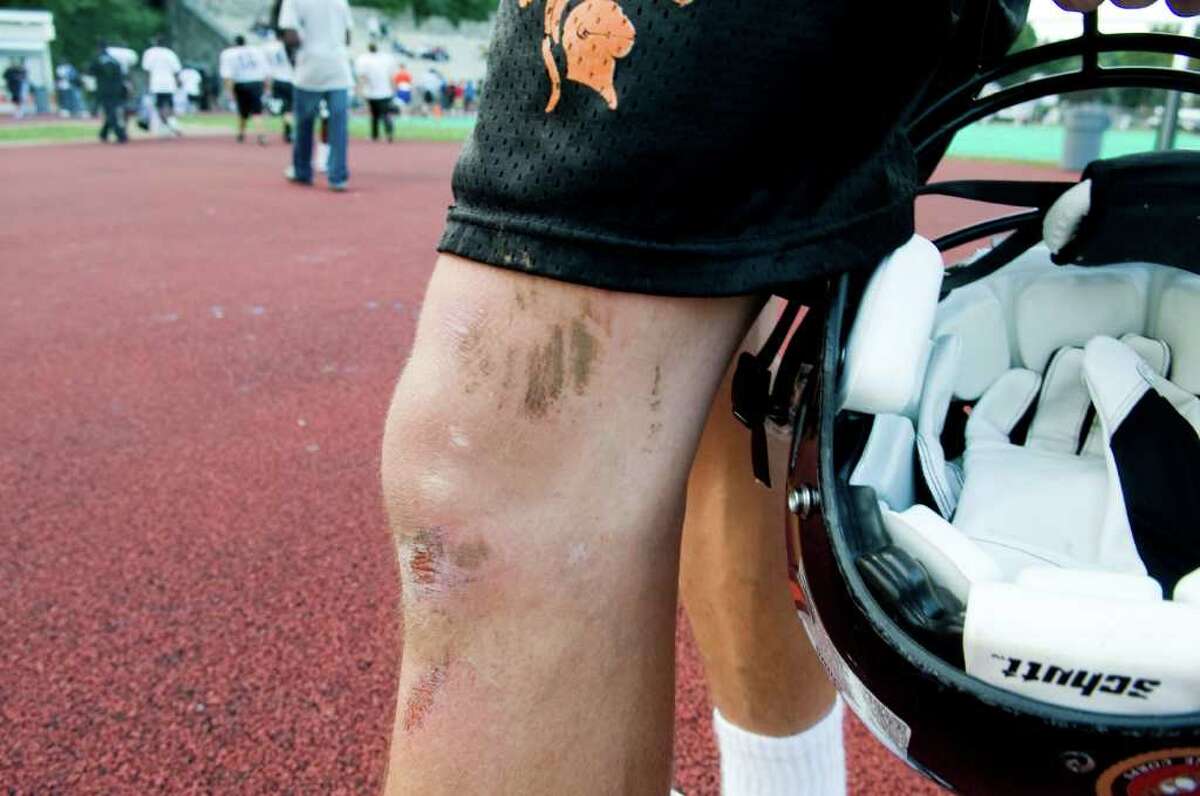
Immediately following the incision has been cleansed, it must be covered to prevent infection. Also recommended may be the application of an emollient dressing, such as for example hydrogel, to aid in the recovery of the turf burn. Hydrogel dressings work since they moisturize the lesion, which accelerates healing and decreases pain.
It is crucial to avoid touching the lesion with unprotected palms. This will raise the probability that bacteria will penetrate and cause contamination. Before cleansing the incision, it is suggested to cleanse the hands thoroughly and, when possible, don sterile mittens.
Employing a non-adhesive wound dressing is optimal with regards to concealing the lesion. This will enable the epidermis to breathe, that is crucial if you are active and perspiring. It is advised to change the dressing daily to keep the abrasion hydrated and healthy.
Turf burns can recover in a month or more, but it is essential to refrain from sports before injury has completely mended. This can prevent you from reinjuring the region, that will lengthen your recovery period. Additionally, you should regularly inspect the injured area for early indicators of infection, such as extreme erythema or sputum. In the event that you observe any early signs of infection, it really is imperative that you consult a physician immediately.